
Emergency preparedness
Don't be left
in the dark.
Be prepared.
Essential supplies for unexpected outages and emergencies.
Build my kitBuild your kit
Eight essentials for a home emergency kit. Each card explains why it matters and points you to a ready-to-buy option.
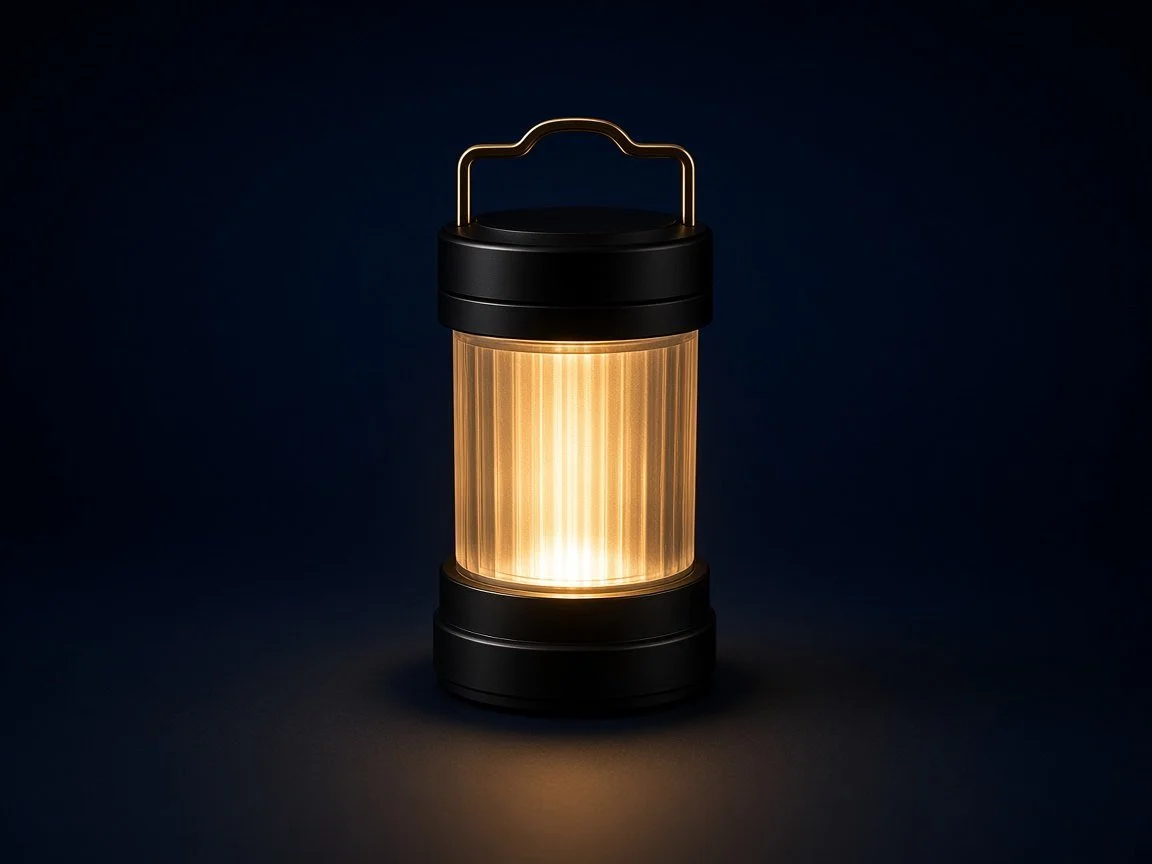
Backup power
When the lights go out, a dedicated lantern that can also charge a phone keeps a household going.
A 360-degree LED emergency lantern that runs on common household batteries, lights a whole room, and includes a USB port for charging a small device.
Shop now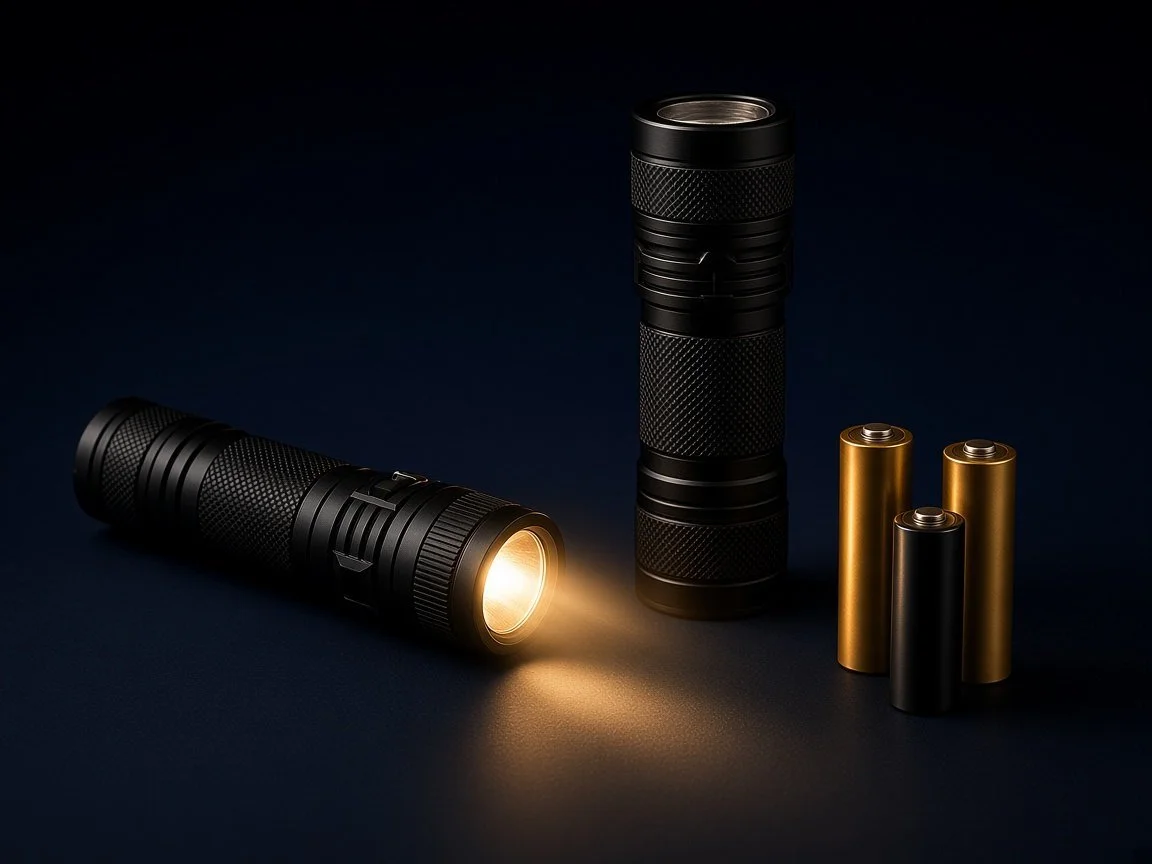
Flashlights & batteries
Handheld lights and spare batteries let you move safely through a dark house.
A two-pack of LED flashlights with batteries included, ready to stash in more than one room.
Shop now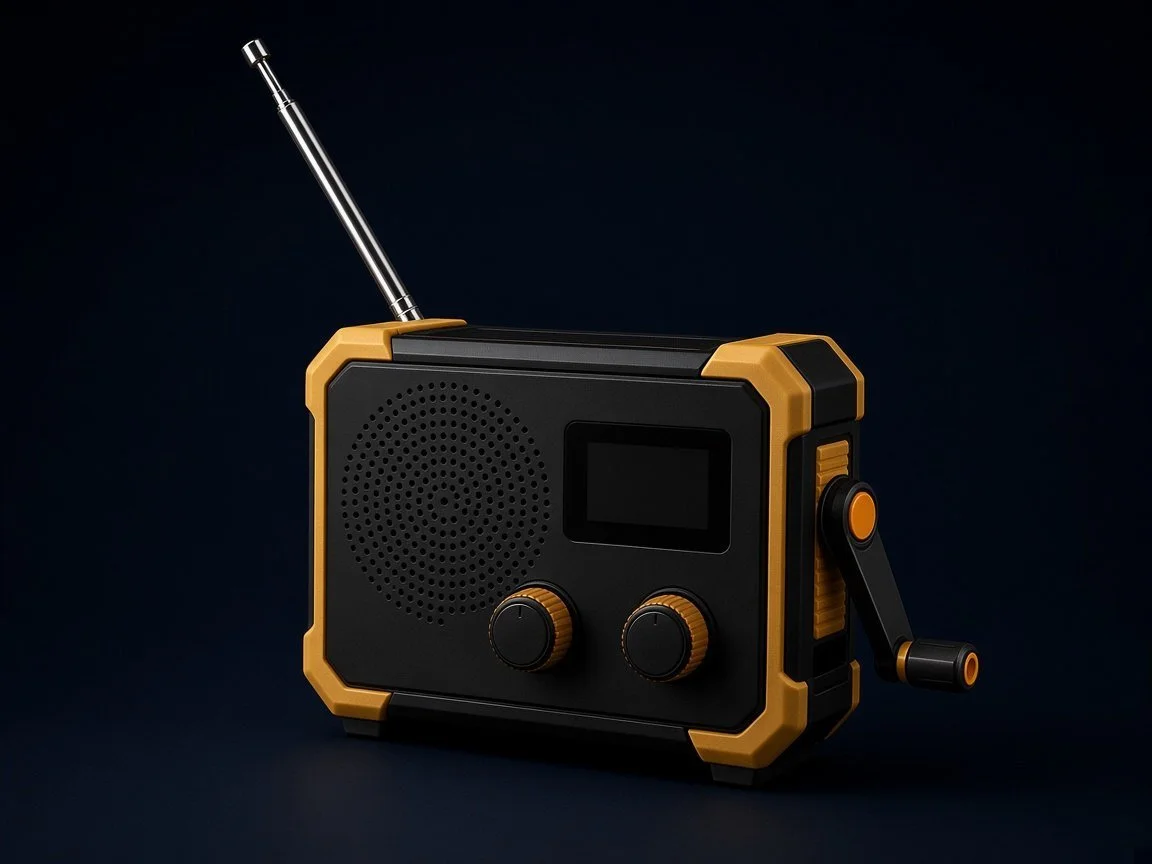
Emergency radio
When cell service and power are down, a weather radio is how you hear official updates.
A portable hand-crank and solar weather radio with a flashlight and a port for charging a phone.
Shop now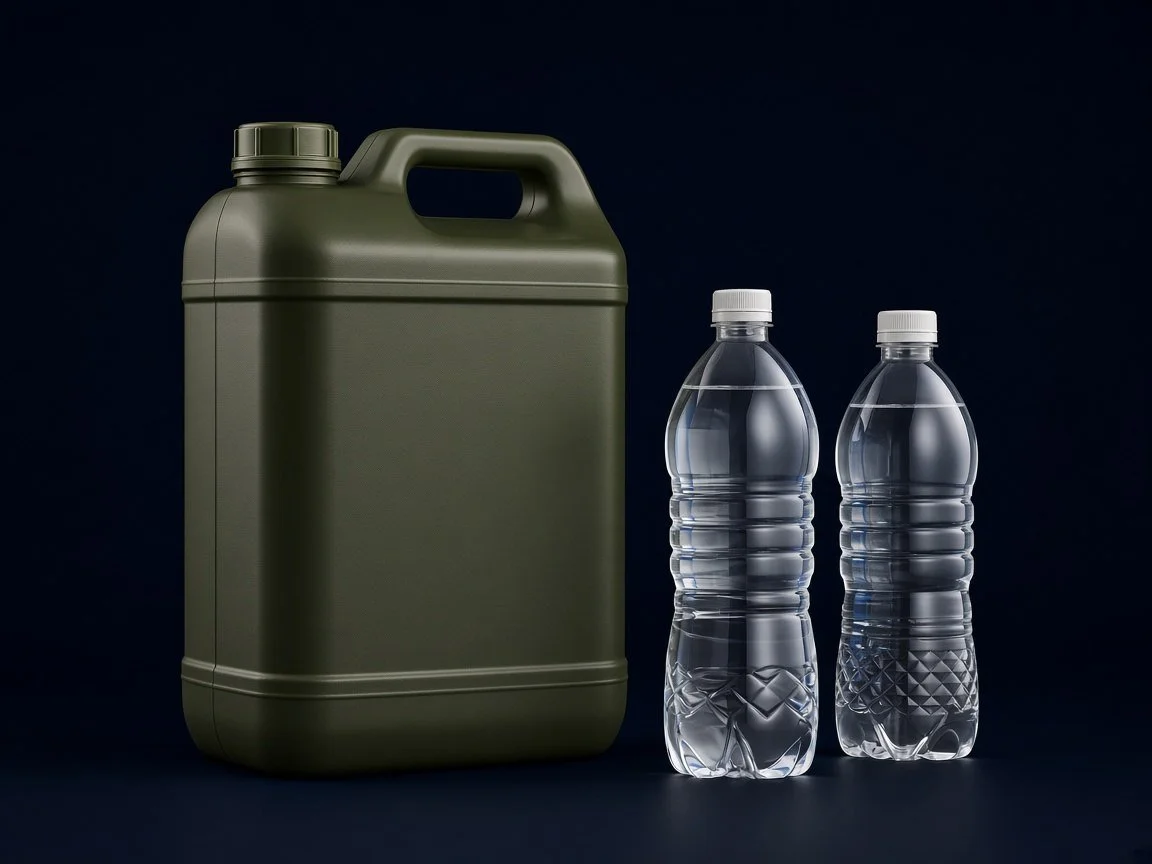
Drinking water
Tap water can stop or become unsafe during an outage or a storm.
A heavy-duty 5-gallon (20-liter) water container with a carry handle, made for long-term storage.
Shop now
Shelf-stable food
A few days of food that does not need a fridge keeps you fed if stores or power are down.
A ready-to-store emergency food supply with a long shelf life; just add water.
Shop now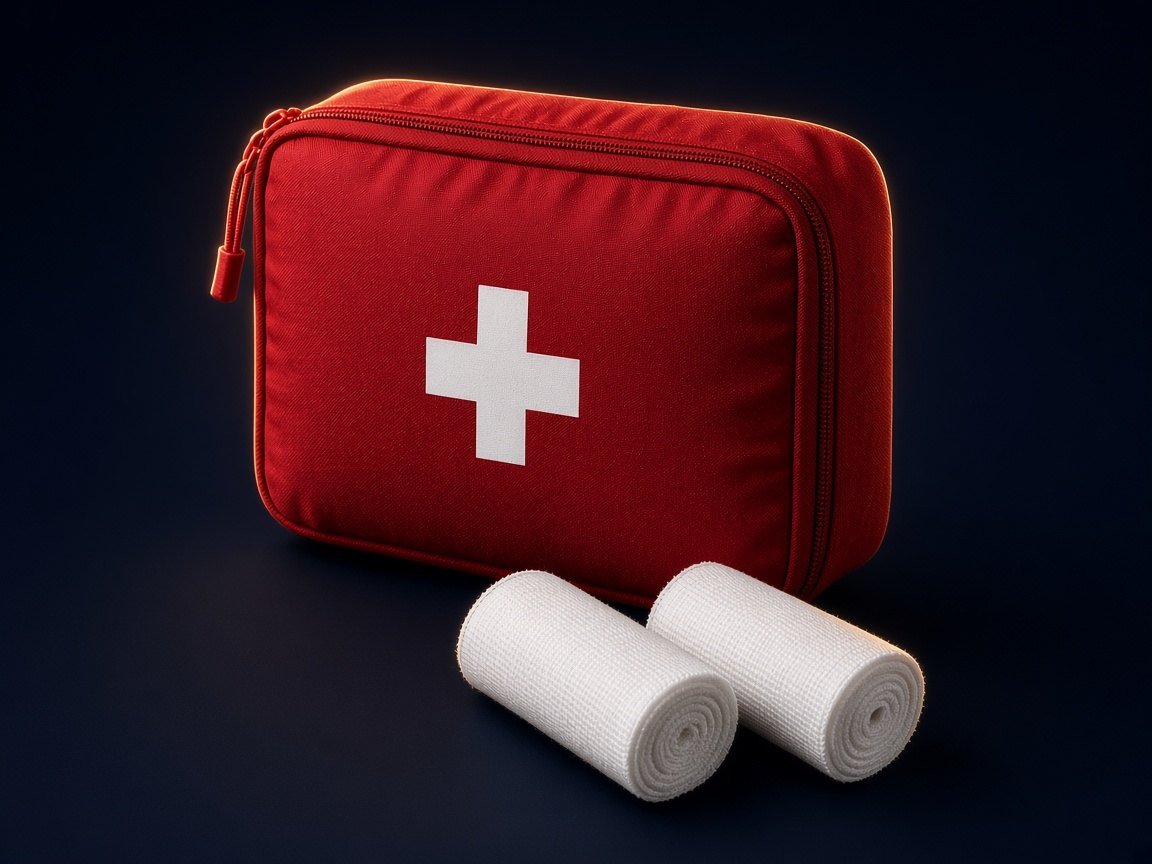
First aid
Minor cuts and scrapes still happen when help may be delayed.
A compact 110-piece first aid kit in a hard case, sized for home, car, or travel.
Shop now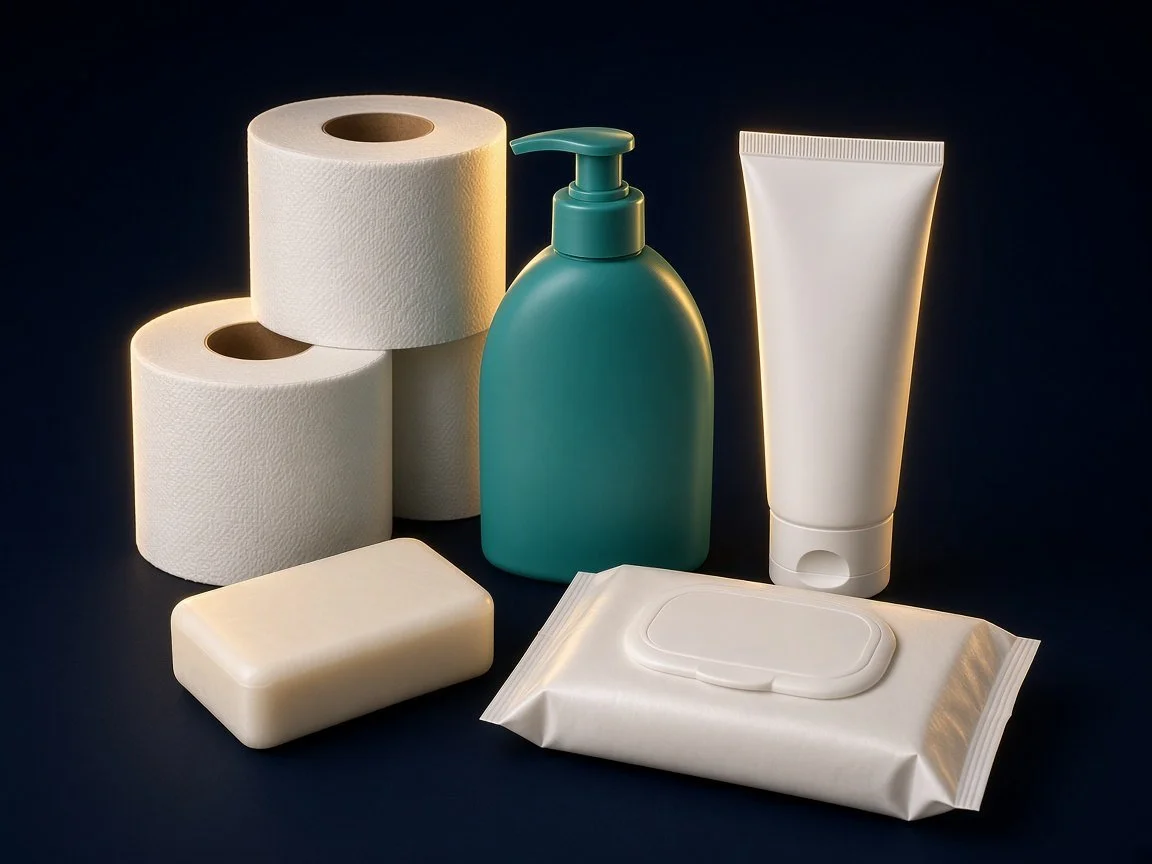
Hygiene supplies
Soap, toothpaste, and wipes help you stay clean when water or stores are limited.
A compact personal hygiene kit with travel-size toiletries for an emergency bag.
Shop now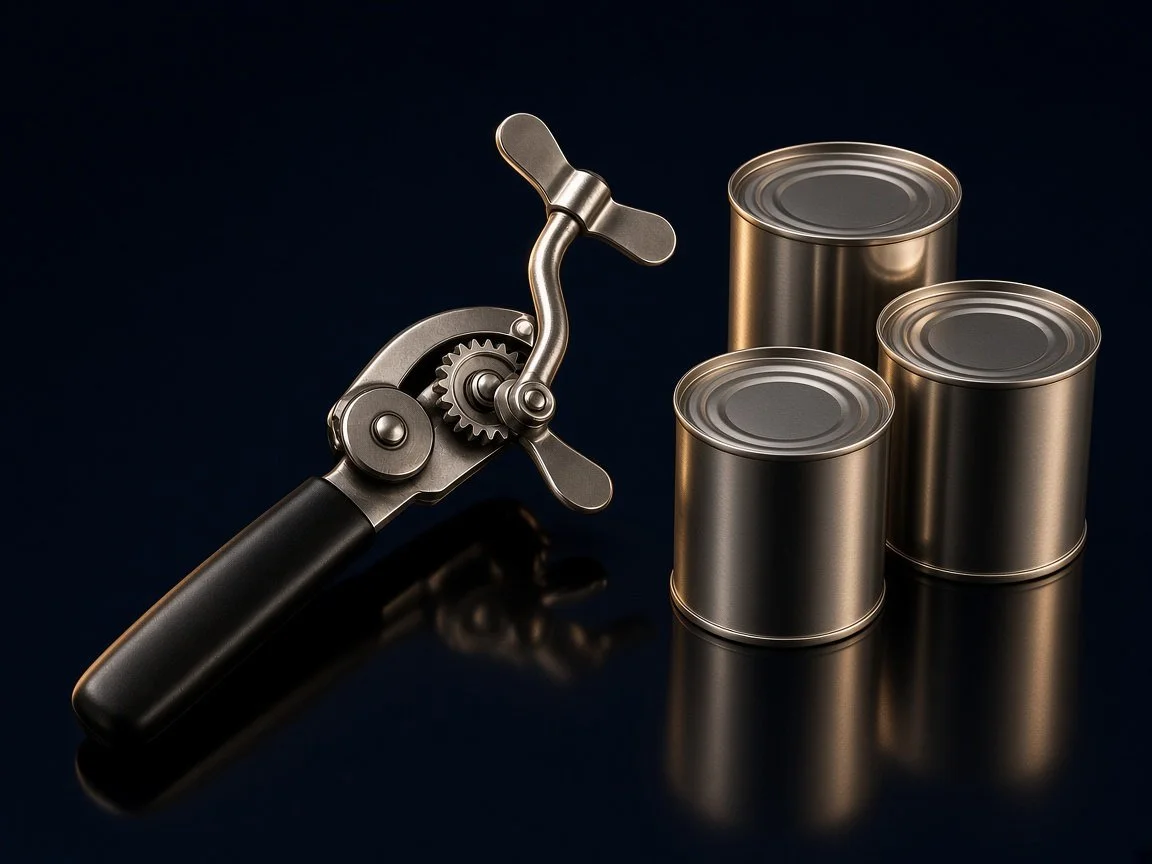
Manual can opener
Canned food is only useful if you can open it without electricity.
A sturdy manual can opener with a comfortable grip and a built-in bottle opener.
Shop now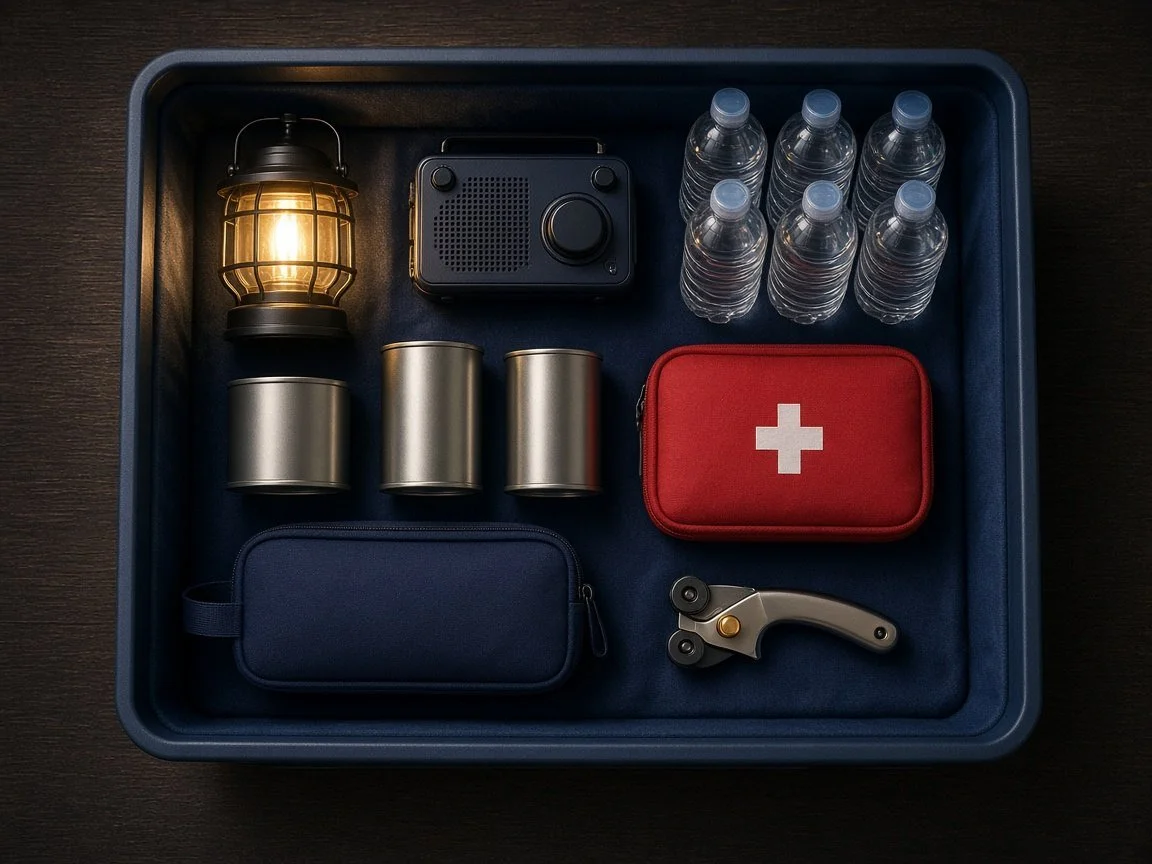
Printable checklist
Check items off as you gather them. Print a copy to keep with the kit.
If the button does not work, use your browser’s print menu. Choose “Save as PDF†if you want a digital copy.
Quick tips
Three habits that make the kit useful when you actually need it.
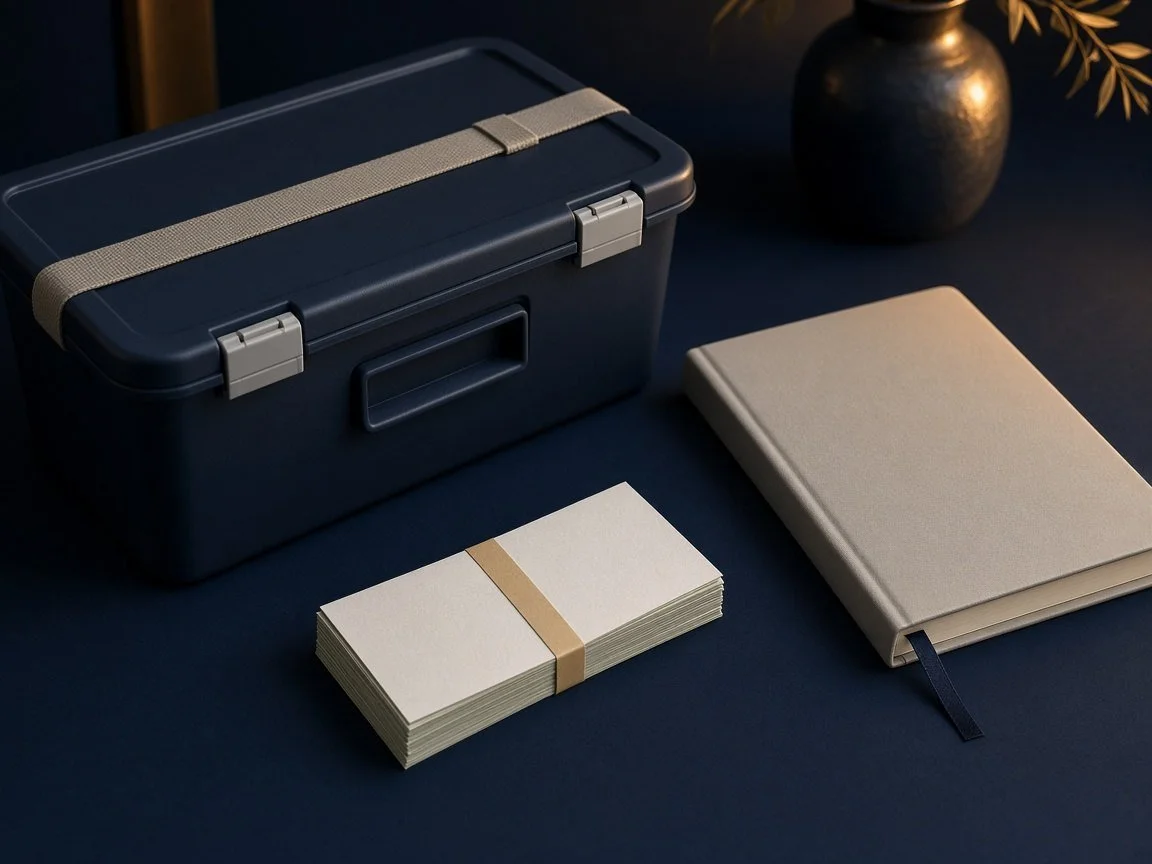
Keep your kit in one spot
Store everything together in a bin or closet you can reach in the dark, and make sure everyone in the house knows where it is.
Check it every 6 months
Replace expired food, water, batteries, and medications twice a year so the kit is ready when you pick it up.
Keep some cash on hand
ATMs and card readers can go down in an outage. A small amount of cash in small bills covers basics until systems return.